


Locksmith License Verification Before You Hire

A locked front door, a tenant turnover, or a missing car key can put pressure on anyone to hire the first locksmith who answers. That is exactly when locksmith license verification matters most. Before work begins, take a minute to confirm that the company is legitimate, authorized to operate, and willing to clearly identify itself.
For homeowners, business owners, property managers, and drivers in Folsom, this is not paperwork for paperwork's sake. A locksmith may rekey your home, change access to your office, repair a door that protects your property, or program a key that starts your vehicle. Those are jobs that require skill, accountability, and respect for your security.
Why locksmith license verification protects your property
A professional locksmith is being trusted with sensitive access. They may handle keys, locks, door hardware, key codes, remotes, or access points that affect your home, business, or car. Verifying a license helps you confirm that you are dealing with an established provider rather than an unknown operator using a temporary phone number or a misleading business name.
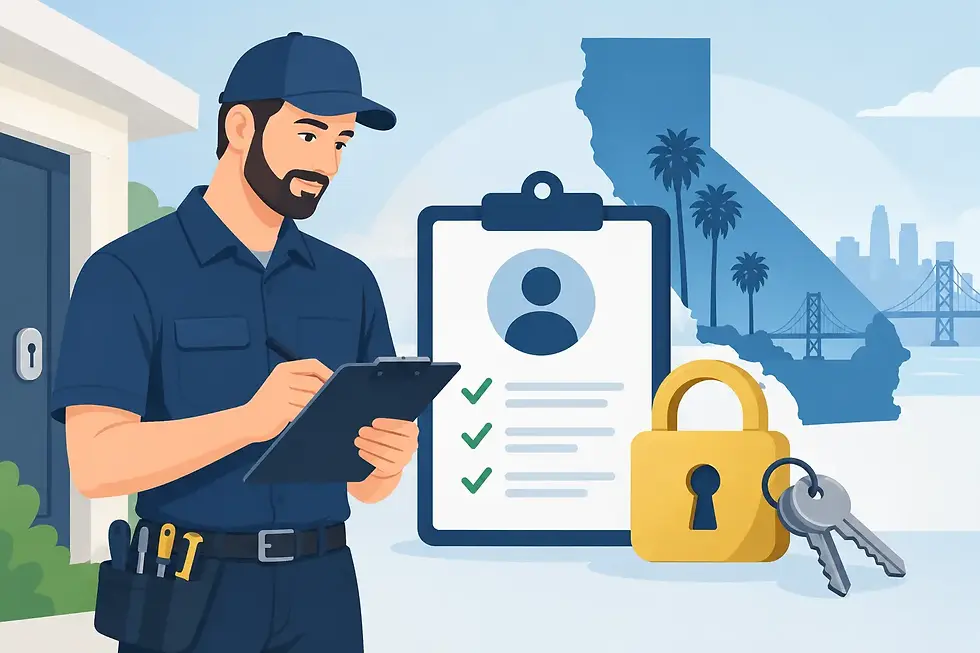
In California, locksmith companies are regulated by the California Bureau of Security and Investigative Services, commonly called BSIS. A properly licensed locksmith company should be able to provide its license information without hesitation. You can then check the license through the state's license lookup system and confirm that the business is active.
This is especially relevant when the job involves a recent move, a former employee, a tenant who has moved out, a break-in concern, or lost keys. Rekeying can be the right solution in many of these situations, but only if the technician is working for a company you can identify and trust.
A license does not guarantee that every repair will be simple or that every lock can be fixed instead of replaced. It does give you a meaningful way to check who you are hiring before they work on your security.
What to check before authorizing locksmith work
Start by asking for the company's full business name and California locksmith license information. A legitimate provider should not make this request difficult. Compare the name and license details with the information shown in the BSIS lookup. If the listing is inactive, expired, or does not match the company name you were given, pause before authorizing work.
It also helps to ask who is being sent to your location. When the technician arrives, look for professional identification and a vehicle or invoice that clearly connects them to the business you contacted. A marked vehicle is helpful, but it is not proof by itself. The important point is that the person at your door can identify the company and explain the work being proposed.
Be clear about the problem before the job starts. For example, tell the locksmith whether you need a house rekey after a move, a deadbolt repair, an office lock replacement, or a replacement car key. A straightforward description gives the technician a fair chance to assess the job and explain the likely options.
You should also request pricing information before work begins. Some jobs cannot be priced to the dollar until the technician sees the lock, door condition, or vehicle details. That is reasonable. What is not reasonable is a vague, unusually low quote that changes dramatically once someone arrives. Ask about the service call, labor, parts, and any additional charges that could apply.
California locksmith licensing: what it does and does not tell you
California licensing is an essential trust signal, but customers should understand its limits. A BSIS license verifies that a locksmith company is licensed by the state. It is not a promise that every lock problem has one universal solution, and it does not replace a clear conversation about scope, price, or timing.
For instance, a worn residential lock may only need adjustment or repair. If the internal components are damaged, replacement may be the safer choice. A commercial door may have a problem with the lock cylinder, the latch, the closer, the strike plate, or the alignment of the door itself. The right fix depends on what is actually failing.
Vehicle key service also varies by make, model, and year. Many domestic and Asian vehicles can use replacement keys and remotes, but programming requirements differ. A qualified locksmith should explain whether the key can be duplicated, whether a remote needs programming, and what information or proof of ownership is needed before the work starts.
Licensing is the baseline. Clear communication, correct diagnosis, and transparent service are what make the experience dependable.
Red flags that deserve a second look
Most customers are not locksmith experts, and they should not have to be. Still, a few warning signs are easy to recognize. Be cautious if a provider refuses to share license information, cannot give a consistent company name, pressures you to approve work immediately, or will not discuss expected charges.
Another concern is a technician who recommends drilling or replacing a lock before examining it. Sometimes drilling is necessary, particularly with damaged or failed hardware. It should not be the automatic first answer for every lockout or key issue. A professional should explain why a particular method is needed and what alternatives, if any, are available.
Be equally careful when someone offers to make a vehicle key without confirming ownership. Responsible locksmiths protect customers by asking for appropriate identification and proof that you are authorized to access the vehicle or property. That extra step may feel inconvenient during an urgent situation, but it is a sign that security is being taken seriously.
A practical verification routine for Folsom customers
The easiest time to verify a locksmith is before an emergency happens. Save the details of a local licensed provider while you are not standing outside in the heat, managing a tenant change, or trying to get to work without your car key. If you need service now, the same process can still be completed quickly.
First, ask for the license number and company name. Next, confirm the company's standing through the California BSIS license lookup. Then ask for an estimate based on the service you need and confirm what may affect the final price. When the technician arrives, verify that their identification and business information match the company you contacted.
Property managers can make this process part of their regular vendor approval practice. Keeping a verified locksmith contact on file makes rekeys after move-outs more organized and helps avoid last-minute decisions. Small business owners can do the same for employee changes, damaged locks, office rekeys, and door hardware problems.
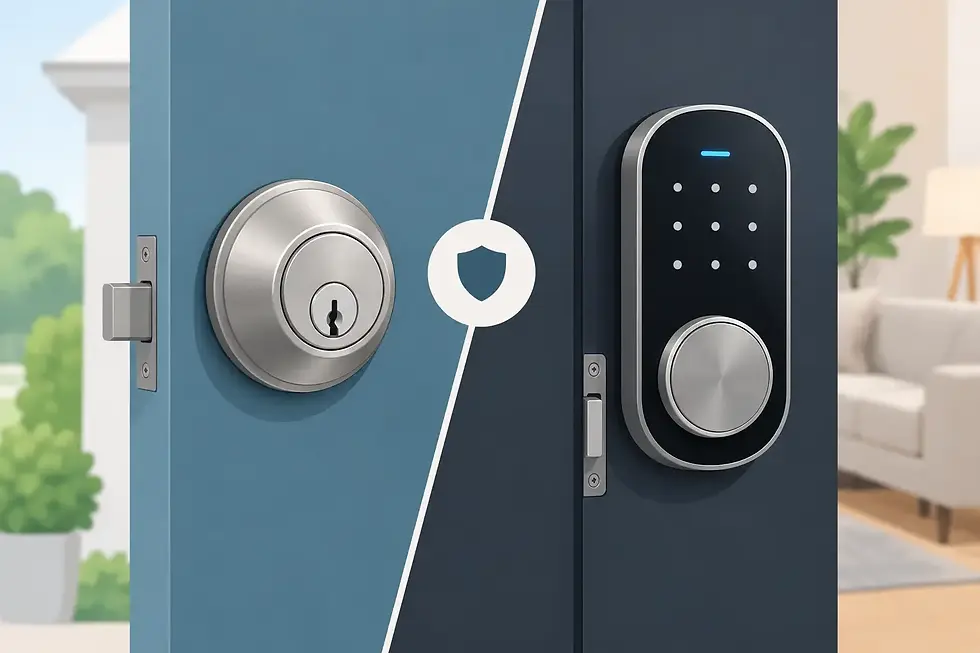
For homeowners, consider a rekey when you buy a home, lose a key, end a roommate arrangement, or are unsure how many copies of your current key exist. Rekeying usually allows the existing lock hardware to remain in place while changing which key operates it. If the lock is worn, outdated, or no longer provides the level of security you want, replacement may make more sense.
OutLock Locksmith makes California BSIS licensing a visible part of the service experience because local customers deserve to know who is working on their security. Professionalism, excellence, and timeliness begin before the first tool comes out.
Questions worth asking on the phone
A short conversation can tell you a great deal. Ask whether the company is licensed in California, what information they need to verify ownership, and whether they handle your specific type of job. For a home or business, ask whether rekeying, repair, and replacement are possible options. For a vehicle, provide the make, model, year, and whether you have any working keys or remotes.
You can also ask when the technician can arrive and whether the estimate includes the service call. Good answers are direct and specific. No honest locksmith can promise the exact condition of a damaged lock without seeing it, but they should be able to explain the process without confusion or pressure.
When security is involved, a few minutes of verification can prevent a much larger problem. Choose a locksmith who is easy to identify, properly licensed, and prepared to explain the work before asking for access to your property.

Comments