


A Practical Guide to Tenant Security Turnover

The last box may be out of the unit, but the previous tenant's access does not end until you address the locks, keys, and door hardware. This guide to tenant security turnover helps Folsom-area landlords and property managers close that gap between leases with practical steps that protect the next resident and reduce avoidable problems.
Tenant turnover is busy by nature. Cleaning, repairs, inspections, advertising, and move-in paperwork all compete for attention. Security work can get pushed to the end, especially when a lock appears to work normally. But a working lock is not necessarily a secure lock if old keys are still in circulation or a damaged door frame will not hold up under pressure.
Start Tenant Security Turnover Before Move-Out
The easiest turnover is the one planned before the tenant leaves. Review the lease file and make a clear record of every key, remote, fob, mailbox key, garage opener, and storage-room key issued during the tenancy. Ask for all items to be returned at the final walk-through, not days later when it is harder to track down missing access devices.
A key return list also helps reveal where your access control may be incomplete. Many rental properties have more entry points than managers remember: a side gate, a laundry room, a shared utility closet, a detached garage, or a rear sliding door. Each one should be considered during turnover, particularly if it connects to a private or common area.
Do not assume that receiving two keys means only two keys exist. Tenants may have made copies for family members, pet sitters, cleaners, or former roommates. That is why rekeying is generally the responsible default between occupants, even when every issued key is returned.
Rekeying Versus Replacing the Locks
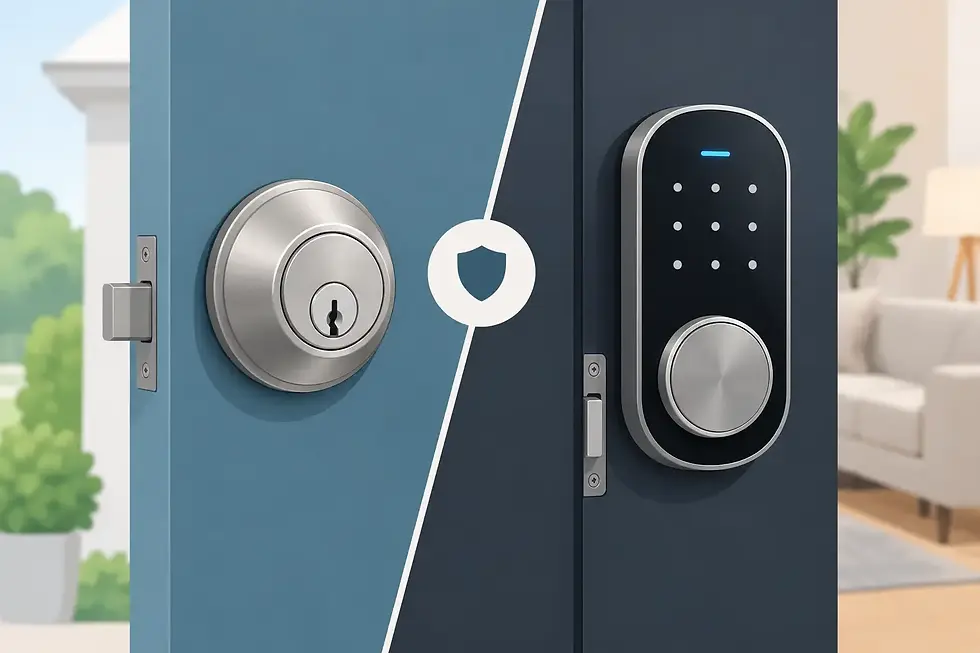
For most standard residential locks in good condition, rekeying is the practical choice. A locksmith changes the internal pin configuration so the old key no longer operates the lock, while the existing hardware remains on the door. It is usually less disruptive and less costly than replacing every lock, and it gives the incoming tenant a new key combination.
Replacement makes more sense when the hardware is worn, damaged, mismatched, or no longer appropriate for the door. Signs that a lock may need replacement include a loose cylinder, a latch that sticks, a deadbolt that does not fully extend, visible corrosion, or a key that requires excessive force to turn. Repeated lockouts and frequent repair calls can also signal that the hardware has reached the end of its useful life.
There is a trade-off. Rekeying saves usable hardware, but it will not correct a failing lock body, poor installation, or a weak strike plate. Replacing hardware can improve function and appearance, but it should be selected carefully so the latch, backset, door thickness, and existing door preparation are compatible. A professional locksmith can assess whether the issue is inside the lock, in the alignment, or in the door and frame.
For single-family rentals, consider whether exterior doors should operate on one keyway. One key for the front, rear, and garage access can be convenient for tenants and managers. In multifamily settings, the plan may be more complex because common doors, gate access, mailboxes, and maintenance areas may use separate key systems.
Inspect the Door, Frame, and Strike Plate
A new key alone does not make a door secure. During turnover, test each exterior entry from both sides. The latch should engage cleanly without lifting, pushing, or pulling the door. The deadbolt should extend fully into the frame, and the door should close without scraping the threshold or binding against the jamb.
Pay close attention to the strike plate, the metal plate on the frame that receives the latch or deadbolt. Loose screws, split wood, or an improperly aligned strike can make a good lock less effective. A door that has shifted because of settling, weather, or worn hinges may need adjustment before the lock operates correctly.
Check sliding doors as well. Their locks, tracks, rollers, and auxiliary security devices need separate attention. A slider that does not fully close or has a loose handle can create a move-in issue even if the main entry locks have been rekeyed.
It is also a good time to look for obvious signs of forced entry, attempted tampering, or unauthorized modifications. Holes drilled near a lock, bent hardware, altered strike plates, and damaged frames should be documented and repaired before the next resident receives possession.
Control Every Form of Access
Keys are only part of the turnover process. Garage remotes, keypad codes, smart-lock access, gate clickers, mailbox keys, and alarm credentials can all remain active after a tenant leaves. Each item needs its own reset, deletion, or reprogramming process.
For electronic locks, remove former users from the system rather than simply changing a shared code. If a smart lock is connected to an app or account, confirm that the property owner or authorized manager has control before the next tenant moves in. A lock that is physically secure but tied to a former resident's account creates an unnecessary access risk.
Avoid sharing a master code, manager code, or a single gate code broadly among vendors and tenants. It may feel convenient, but it makes accountability difficult. Where access needs to be shared, keep a current record of who has it and change codes when staffing, vendors, or occupancy changes.
For buildings with multiple units, be deliberate about master-key systems. A master key can save significant time during maintenance calls, but a poorly managed system can affect more than one unit if a key is lost. Keep master keys limited to authorized people, store them securely, and avoid leaving them in lockboxes with widely known codes.
Create a Repeatable Turnover Record
Consistency is what keeps security tasks from being missed during a busy week. Use the same turnover checklist for every vacancy and store it with the unit file. The record should identify the date security work was completed, which doors were rekeyed or replaced, the number of keys issued, and any remotes, fobs, or codes reset.
Photographs can be useful when documenting damaged hardware, door-frame repairs, or pre-existing conditions. They are not a substitute for a hands-on test, but they provide a clear reference if questions arise later. Note any item that needs follow-up before move-in, such as a delayed part, a mailbox lock replacement, or a garage remote that still needs programming.
A simple handoff process helps as well. Before keys are released, verify that the unit's entry doors lock and unlock correctly, the tenant has the expected number of keys, and any special instructions are explained. If you use a lockbox during showings or vendor access, remove it or change its code once the tenant takes possession.
Choose a Locksmith You Can Verify
Turnover work often has a tight timeline, which can make property managers vulnerable to unreliable operators. Before scheduling service, verify the locksmith's licensing and business information. In California, customers can verify locksmith licensing through the Bureau of Security and Investigative Services. This step matters when someone will be handling keys, access points, and security hardware at your property.
Ask for a clear description of the proposed work. A dependable locksmith should be able to explain whether rekeying is appropriate, what hardware needs repair or replacement, and how many keys will be provided. Be cautious with vague pricing, pressure to replace functioning hardware, or a technician who cannot identify the problem before recommending major work.
For local landlords and managers, using the same qualified provider when possible can make turnover more consistent. A locksmith familiar with your property can recognize the existing hardware, maintain a clear keying plan, and help address recurring door or lock issues before they become emergency calls. OutLock Locksmith provides residential and commercial rekeying, lock repair, and replacement support for Folsom and nearby Sacramento-area properties.
Timing the Security Work Correctly
Complete rekeying and access resets after the former tenant has fully surrendered possession and before the new tenant receives keys. If painters, cleaners, or contractors still need access, decide in advance how that access will be controlled. Issuing temporary keys, using a manager-controlled lockbox, or scheduling work before the final rekey can be appropriate depending on the property and timeline.
The key is to avoid rekeying too early, then handing the new key to multiple vendors without tracking it. If access must continue after the locks are changed, keep a written record and collect temporary keys promptly. A short delay in key control can undo the benefit of the turnover work.
A well-run turnover does not need to be complicated. It needs to be deliberate: account for access, rekey or replace where needed, test the door and hardware, and document the result. When the next tenant turns the key for the first time, they should be entering a home that is ready, functional, and clearly under their control.

Comments