

Rekeying Versus Replacing Locks

You come home after a move, a breakup, a lost key, or a tenant turnover, and the question gets simple fast: should you choose rekeying versus replacing locks? Most people do not need a full hardware swap every time access changes. In many cases, rekeying gives you the security reset you need without replacing good lock hardware. In other situations, replacing the lock is the safer and smarter call.
The right answer depends on what condition the lock is in, who may still have keys, and whether you are trying to solve a key-control problem or a hardware problem. That distinction matters because the two services do different jobs.
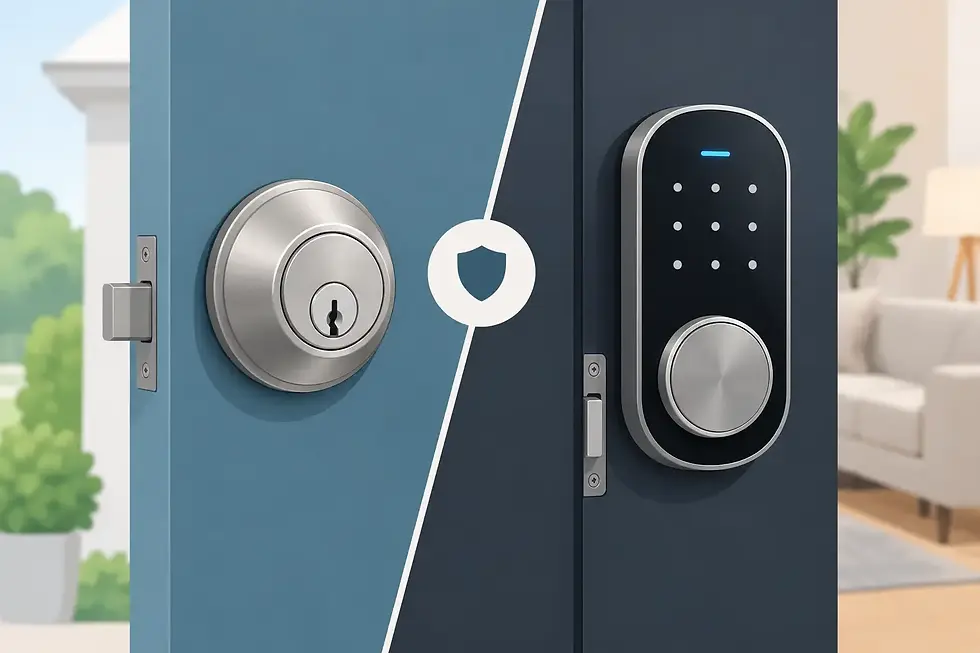
Rekeying versus replacing locks: what is the difference?
Rekeying changes the internal pins of an existing lock so old keys no longer work. The lock stays on the door, but it is set up for a new key. If the hardware is in good shape, this is often the most efficient way to secure a home, rental, or office after keys have changed hands.
Replacing a lock means removing the existing hardware and installing new hardware. That may include a new knob, lever, deadbolt, storefront cylinder, or other lock body, depending on the door and the application. Replacement is usually the better fit when the lock is worn out, damaged, outdated, or no longer meets the security needs of the property.
People sometimes assume replacement is always more secure because everything is new. That is not automatically true. A well-functioning quality lock that is professionally rekeyed can provide excellent security. New hardware only helps if the lock itself was the weak point to begin with.
When rekeying makes the most sense
Rekeying is often the practical choice when the lock works properly and you simply need to control who has access. That is why it is common after moving into a home, after employee changes, after roommate turnover, or after a key is lost and not recovered.
For homeowners, rekeying can be a smart first step after closing on a house. You do not know how many copies of the old keys exist or who may still have one. If the locks are decent and operating correctly, rekeying gives you a fresh key without the cost of replacing every lock.
For property managers, rekeying is a standard part of tenant turnover. It is usually faster and more economical than changing all the hardware, especially across multiple units. It also helps simplify key management when several doors need to be keyed alike or brought under a more organized system.
For small businesses, rekeying can make sense after staffing changes or when a missing key creates a security concern. If the doors and cylinders are still in solid working order, a rekey can restore control without interrupting operations more than necessary.
Cost is one reason people lean toward rekeying, but it is not the only one. Rekeying also preserves the look and fit of existing hardware. That matters when the door has matching finishes, special trim, or commercial hardware that would be more expensive to replace.
When replacing locks is the better option
Replacement becomes the better choice when the lock itself is part of the problem. If the hardware is sticking, loose, corroded, bent, cracked, or unreliable, rekeying alone will not fix those issues. You may end up paying for a key change and still be left with a lock that fails or works poorly.
This is also true when the existing hardware is low quality or outdated. Some older locks do not offer the level of security customers want today. Others may be difficult to service, poorly aligned, or already near the end of their usable life. In those cases, replacement can be the better investment.
Business owners often choose replacement when they want to upgrade from basic hardware to something more secure or more appropriate for their operation. That may include moving to commercial-grade levers, better deadbolts, restricted key systems, or panic hardware depending on the door and occupancy needs.
Homeowners may also want replacement if the existing style no longer fits the property. Sometimes security is only part of the decision. If the front door hardware is worn out or mismatched, replacing it can improve both function and appearance.
The condition of the hardware matters more than people think
One of the biggest mistakes people make is focusing only on the key issue and overlooking the condition of the lock. A key problem is not always a lock problem, but sometimes it is. If the key turns roughly, the latch drags, the deadbolt does not extend cleanly, or the lock has visible wear, that points to hardware concerns that should be evaluated before deciding on a rekey.
A licensed locksmith can usually tell the difference quickly. Sometimes the fix is simple door alignment or minor repair. Other times, the internal wear is enough that replacement makes more sense. Good service is not about selling the bigger job. It is about matching the right repair to the actual condition of the door and lock.
Cost, security, and long-term value
If your current lock is in good condition, rekeying is usually the lower-cost option. You keep the hardware and change the working key. That can be especially helpful when several locks need attention at once.
But lower cost today is not always lower cost over time. If the hardware is already failing, replacement may save you from another service call later. The same goes for locks that are cheap, loose, or poorly installed. Spending less upfront does not help much if the door remains unreliable or insecure.
Security is also about more than whether an old key works. A deadbolt that binds, a lever that sags, or a storefront lock that has seen years of heavy use may deserve more than a rekey. The best value comes from fixing the actual weak point.
Rekeying versus replacing locks for homes, rentals, and businesses
For homes, rekeying is common after a move, lost keys, or household changes. Replacement is more common when locks are visibly worn, the hardware quality is poor, or the homeowner wants a new style or upgraded security.
For rentals, rekeying is often the standard answer between occupants, provided the hardware still works properly. If a unit has aging locks that cause repeated maintenance issues, replacement may be the more practical property management decision.
For businesses, the answer depends on traffic, hardware type, and access needs. A lightly used office door may only need rekeying after personnel changes. A heavily used commercial entry with worn cylinders or failing hardware may need replacement or a more complete door hardware solution.
Why licensing and legitimacy should factor into the decision
Locksmith work affects the security of your property. That is why the person giving advice should be qualified to inspect the hardware, explain the options clearly, and perform the work correctly. In California, customers should verify locksmith licensing through the Bureau of Security and Investigative Services.
That matters because rekeying and replacement are both easy to oversimplify. An unqualified operator may recommend replacement when a rekey would do, or attempt a rekey on failing hardware that should really be replaced. Either mistake costs you money or leaves you with a security problem that was not fully solved.
A professional locksmith should be able to tell you what condition the hardware is in, whether it can be rekeyed, whether it should be repaired, and when replacement is the better path. Straight answers matter, especially when you are dealing with home access, tenant turnover, or business security.
The better question to ask
Instead of asking which service is better in general, ask what problem you are trying to solve. If the problem is who has keys, rekeying is often enough. If the problem is the lock itself, replacement is usually the right move.
That is the kind of call a dependable local locksmith should help you make without guesswork or pressure. OutLock Locksmith sees this often across homes and businesses in Folsom and the Sacramento area: many customers do not need more than a proper rekey, and others are better served by replacing hardware that has already outlived its useful life.
If you are not sure which direction fits your door, start with the condition of the lock and the reason you need service. A good lock that needs a new key setup is worth keeping. A failing lock is not something to talk yourself into trusting for another year.

Comments