


Best Locks for Small Offices and How to Choose

A small office rarely has just one access problem. The front door needs dependable protection, employees need convenient entry, former staff should not retain access, and the business may need to secure files, equipment, or inventory after hours. The best locks for small offices balance security, daily use, and simple key control without adding hardware your team will not use.
For most Folsom-area businesses, the right answer is not the most expensive lock on the shelf. It is commercial-grade hardware installed correctly, matched to the door and the way people actually enter the office. A licensed locksmith can assess the door, frame, existing hardware, and lease requirements before recommending a change.
Start With the Door, Not the Lock
A quality lock cannot make up for a weak door, loose strike plate, damaged frame, or incorrect installation. Before selecting hardware, look at the condition of the entry door and how it is used. A solid wood, metal, or aluminum storefront door may require very different lock preparation and hardware.
Ask a few practical questions. Is this the main employee entrance? Does the door stay locked all day? Do customers use it? Is there a shared hallway or common building entrance? Does the office need to meet property management rules? These details affect whether a deadbolt, lever lock, electronic keypad, or access-control system makes sense.
The lock should also be rated for commercial use. Residential hardware may look similar, but a busy office door can see hundreds of cycles each week. Commercial-grade locks are built for that repeated use and generally offer stronger internal components, better latch assemblies, and more reliable operation over time.
Best Locks for Small Offices: Four Practical Options
There is no single lock type that fits every office. Many small businesses use more than one type, such as a secure mechanical lock at the main entrance and a keypad lock on a private office or supply room.
Commercial lever locks
A commercial lever lock is often the practical starting point for a small office. It provides keyed entry from the outside and a lever for easy exit from the inside. This setup works well for offices with regular employee traffic, particularly when the door must remain accessible during business hours.
Look for commercial-duty hardware rather than a basic residential lever. The lever should be properly matched to the door handing, backset, and existing door preparation. For an exterior office door, a lever lock may be paired with a deadbolt when the door and exit requirements allow it.
The trade-off is key management. If several employees have copies of the same key, the business needs a plan for collecting keys when someone leaves. Without a key-control policy, a good commercial lock can become less secure over time.
Commercial deadbolts
A deadbolt adds a separate locking point and is a strong choice for many exterior office doors. It is especially useful when the office closes after hours and the main concern is preventing forced entry through the latch area.
A deadbolt should be installed with a properly secured strike plate and long screws that anchor into the door frame structure, not just trim. The lock cylinder also matters. A commercial-grade cylinder with restricted or controlled keying can make unauthorized copying more difficult.
Deadbolts are not appropriate for every door. Doors used as required exits, doors with panic hardware, and certain shared commercial entrances may have code, fire-safety, or building-management restrictions. Never add a lock that could interfere with safe emergency exit. A locksmith can help identify a secure option that still allows occupants to leave freely.
Keypad and electronic locks
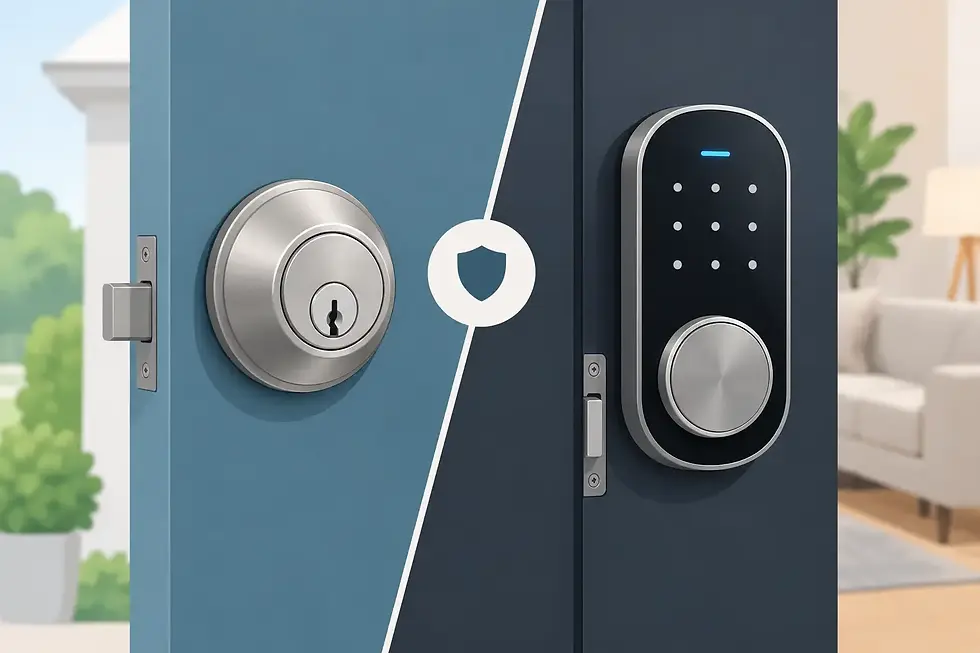
Electronic keypad locks remove the need to issue a physical key to every employee. Each user can receive a code, and access can be removed when a staff member leaves. For a small office with turnover, contractors, cleaners, or flexible schedules, that can be a major advantage.
Some keypad locks run on batteries and fit standard door preparations, making them a useful upgrade without a large access-control project. Higher-end models may offer audit trails, scheduled access, mobile credentials, or remote management.
The convenience comes with responsibilities. Batteries need to be changed on schedule, codes should not be shared, and someone must manage the user list. A keypad lock is only as controlled as the office policy behind it. If everyone uses one shared code, the business loses much of the accountability electronic access can provide.
Keycard, fob, and managed access systems
For offices with several employees, multiple rooms, or a need to track entry, keycard and fob systems provide more control. Credentials can be issued, deactivated, and sometimes scheduled by day or time. This is helpful when a business wants staff to enter the main office but not a records room, server closet, or storage area.
Managed access systems can be a smart investment, but they are not necessary for every two- or three-person office. They cost more than standard mechanical hardware and require planning for power, wiring or wireless connectivity, credential management, and future service. For a small office with limited traffic, a commercial lock with controlled keys or a quality keypad may provide the better value.
Key Control Is Part of Office Security
The lock itself is only half the decision. Key control determines who can use it. If the office has moved through several tenants, employees, vendors, or cleaners, there is a good chance copies of old keys are still in circulation.
Rekeying is often the right first step when the existing commercial lock is in good condition. A locksmith changes the internal pins so old keys no longer work, allowing the business to start with a new key set without replacing every lock. This is commonly useful after an employee departure, tenant turnover, lost key, or change in management.
For offices with multiple doors, consider setting up a master key system. Employees can carry one key for the doors they need, while managers retain access to additional areas. A properly planned system is convenient, but it should be designed carefully. Giving a single key access to too many doors may create more risk than it solves.
Controlled or restricted keyways can also be worth considering for businesses concerned about unauthorized key duplication. They do not eliminate the need for good management, but they add an extra layer of control over who can obtain copies.
Do Not Ignore the Strike Plate and Door Frame
Many forced-entry attempts target the weakest point around the latch or deadbolt. If the strike plate is thin, loose, or attached only to weak trim, even an expensive lock may not perform as intended.
A professional lock installation includes checking the strike, reinforcing it where appropriate, aligning the latch or bolt, and confirming that the door closes without binding. Misalignment causes more than frustration. It can prevent a deadbolt from fully extending, damage electronic lock components, and create a situation where employees force the door shut every day.
Door closers, hinges, weather stripping, and aluminum storefront hardware also affect lock performance. If a lock works only when someone lifts, pulls, or slams the door, the problem may be the door condition rather than the lock cylinder.
Match the Lock to Your Office Situation
A straightforward selection usually becomes easier when it is tied to the business's daily routine:
A small professional office with a few employees may do well with a commercial lever and deadbolt, rekeyed under a controlled key plan.
An office with frequent staff changes, cleaners, or contractors may benefit from a keypad lock with separate user codes.
A business storing client records, electronics, or high-value inventory may need secure exterior hardware plus restricted-key access for interior rooms.
A growing office with several departments or scheduled access needs may be ready for fobs, cards, or a managed access system.
Avoid buying hardware based only on appearance or price. The correct lock must fit the door, meet the needs of the space, and allow safe exit. For leased commercial property, it is also wise to confirm expectations with the landlord or property manager before changing exterior hardware.
When to Rekey, Repair, or Replace
Rekeying makes sense when the lock works well but the key history is uncertain. Repair may be enough when a commercial lock is sticking, loose, or misaligned due to wear or door movement. Replacement is usually the better choice when the lock is damaged, outdated, repeatedly failing, or unable to support the access plan your business needs.
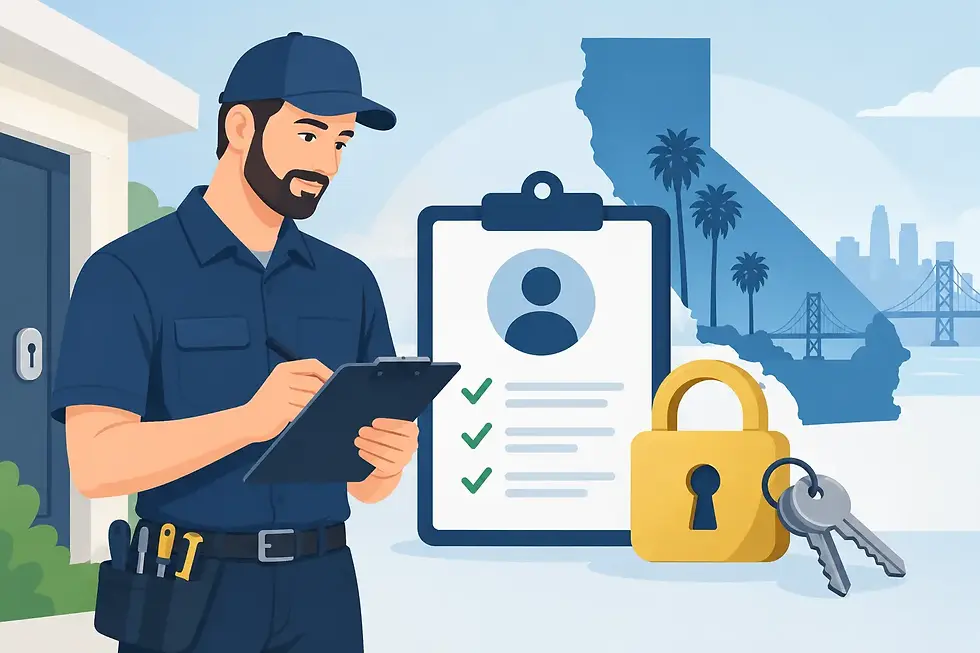
A reliable locksmith should explain which option solves the actual problem rather than pushing replacement by default. OutLock Locksmith provides commercial rekeying, lock repair, and lock replacement for businesses in Folsom and nearby Sacramento-area communities. Verify that any locksmith working on your office is properly licensed through the California Bureau of Security and Investigative Services.
The best next step is a simple on-site evaluation of your door, existing hardware, and access needs. A well-installed commercial lock and a clear plan for keys or codes can give a small office dependable protection without making the workday harder for the people who need to get inside.

Comments