


A Front Door Latch Alignment Fix That Works

A door that only latches when you lift it, push hard on it, or pull it toward you is more than an annoyance. It can leave your home less secure, wear out the lock, and turn a normal exit into a daily struggle. A proper front door latch alignment fix starts by finding out whether the latch, strike plate, hinges, or door frame has moved. The right correction is usually simple. The wrong one can damage the lock or make the door harder to secure.
Find Where the Latch Is Missing
Before adjusting anything, look at how the latch meets the strike plate. Open the door and locate the spring-loaded latch bolt on the edge of the door. Then examine the rectangular opening in the strike plate on the frame.
Close the door slowly while watching the latch. If it hits above or below the opening, the door has likely sagged or shifted. If it hits the edge on the left or right, the strike plate may need a small adjustment, or the frame may be moving with seasonal expansion. If the latch enters the opening but does not stay closed, the problem may be inside the latch assembly rather than the alignment.
A simple marking test can make the problem clear. Put a small amount of lipstick, washable marker, or painter's tape on the tip of the latch, then close the door gently. The mark left on the strike plate shows exactly where contact is happening. Do not slam the door for this test. The goal is to identify the contact point, not force the latch past it.
Also test the door with the deadbolt unlocked. A latch alignment issue and a deadbolt alignment issue can happen together, but they are not always caused by the same thing. The latch should close easily before you troubleshoot the deadbolt.
Common Reasons a Front Door Latch Goes Out of Alignment
Most alignment problems develop gradually. Heavy exterior doors can settle on their hinges over time, especially if they are used often. Loose hinge screws are a common cause. When the top hinge loosens, the outer edge of the door can drop just enough for the latch to strike too low.
Weather also matters in Folsom and the Sacramento area. Heat, moisture, and normal seasonal changes can cause wood doors and frames to expand or contract. A door that latched perfectly a few months ago may begin rubbing the frame or binding at the strike plate. In that case, a major hardware change may not be necessary.
Paint buildup is another overlooked cause. Repeated painting around the latch edge or inside the strike plate opening can reduce the clearance needed for the latch to move freely. On older homes, the door frame itself may have shifted slightly as the house settled.
The condition of the lock matters, too. A sticky, worn, or damaged latch may not extend fully. If the latch does not spring out smoothly when you release the knob or lever, moving the strike plate alone will not solve the problem. The lock may need repair or replacement.
Front Door Latch Alignment Fixes to Try Safely
Start with the least invasive adjustment. Tighten every hinge screw on both the door and the frame, paying special attention to the top hinge. Use a screwdriver that fits the screw head correctly so you do not strip it. If a screw spins without tightening, the wood behind it may be worn. A longer screw installed into solid framing can sometimes restore support, but it must be the correct size and installed carefully to avoid splitting the frame.
After tightening the hinges, test the door again. If the latch is still striking slightly above or below the strike opening, loosen the strike plate screws just enough to move the plate a small amount. Many strike plates have a little room for adjustment. Shift it in the direction needed, tighten the screws, and test the latch several times.
Make small changes. Moving a strike plate too far can create a new issue, including a loose fit that allows the door to rattle. A secure exterior door should close without force, and the latch should seat fully in the opening.
If the latch is rubbing on the edge of the strike opening, inspect the opening for paint, bent metal, or rough material blocking the latch. Light cleanup may be enough. Do not aggressively grind, chisel, or enlarge the strike opening without understanding why the door moved. Removing too much material can weaken the area around the latch and reduce the door's resistance to forced entry.
For a minor seasonal swelling issue, check whether the door is rubbing elsewhere along the frame. A wood door that rubs at the top, bottom, or latch side may need professional adjustment rather than a strike plate change. Trimming a door is permanent, so it should not be the first response to a problem that may disappear when conditions change.
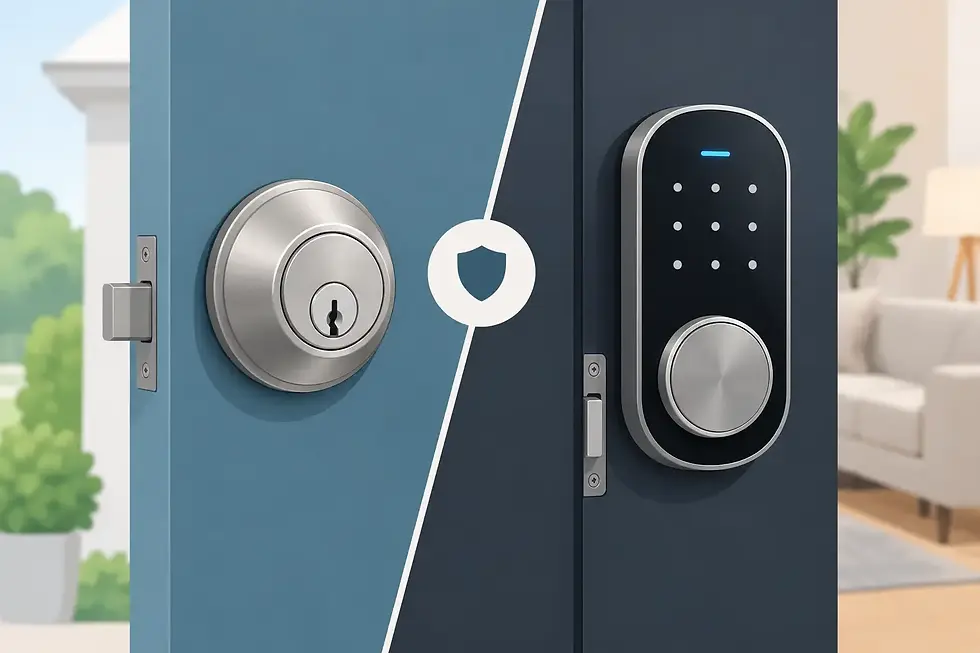
If your door has a smart lock, keypad, or electronic deadbolt, follow the manufacturer's instructions before removing hardware. Some systems require careful handling of wiring, mounting plates, and calibration. The mechanical latch should still align correctly even when electronic hardware is installed.
When the Problem Is Not the Strike Plate
A front door can appear to have a latch problem when the actual issue is the lock itself. Test the latch with the door open. Turn the knob or lever and release it several times. The latch should retract fully and spring back out without hesitation. If it sticks, feels rough, or stays partially retracted, internal parts may be worn or dirty.
Avoid spraying heavy oil or household lubricant into the lock. These products can attract dust and leave residue that creates more trouble later. A locksmith can determine whether the latch mechanism can be serviced or whether replacement is the safer choice.
Pay attention to signs of a larger door or frame problem. Cracks around the strike plate, a loose frame, visible gaps around the door, or a door that suddenly will not close can indicate more than routine hardware movement. Property managers should be especially careful with multi-unit buildings, fire-rated doors, and doors serving common areas. Altering hardware on those doors without the proper assessment can affect safety requirements and building compliance.
Do Not Force a Door to Latch
Forcing the door shut can bend the latch, damage the strike plate, loosen the frame, or cause a key to break in the lock later. It also creates a security concern. If the latch only catches on the very edge of the strike opening, it may not hold properly if the door is pushed or pulled.
A temporary habit of lifting the door before locking it may keep it closed for a while, but it is a sign that the cause should be addressed. This is particularly true when the deadbolt also requires pressure to lock. Both pieces of hardware should operate without you having to pull, push, or lift the door.
When basic tightening and minor strike adjustment do not correct the issue, a professional inspection can save time and prevent unnecessary hardware replacement. A locksmith can check the latch, hinges, strike plate, deadbolt, door condition, and frame together. For homeowners and property managers, verify that any locksmith you hire holds the appropriate California Bureau of Security and Investigative Services license.
OutLock Locksmith provides practical door lock repair and residential locksmith service for Folsom-area customers who need help restoring reliable door security. The goal is not to sell a replacement when a careful adjustment will do the job. It is to make sure the door closes, latches, and locks as it should.
Keep the Alignment Working
Once the latch closes correctly, check the hinge screws and strike plate periodically, particularly after extreme weather or a noticeable change in how the door operates. Keep the strike opening free of loose paint and debris, and address a sticking latch early rather than waiting for it to fail completely.
A front door should close with a firm, ordinary push and lock without a fight. If yours does not, treat that resistance as useful information. A small correction now can protect the lock, reduce wear on the door, and help keep your home secure every time you leave.


Comments