


Small Business Lock Change: When to Rekey

A former employee still has a key. A tenant moves out of a commercial suite. The back-door lock sticks after closing. These are the situations where a small business lock change stops being a maintenance task and becomes a security decision. For business owners in Folsom and the Sacramento area, the goal is simple: know who can enter your property, and make sure the door hardware works when you need it.
The right solution is not always a full lock replacement. In many cases, rekeying existing locks provides the protection you need at a lower cost and with less disruption. In others, worn or outdated hardware should be replaced before it creates a bigger problem. A licensed locksmith can assess the door, lock condition, key control, and daily use of the space before recommending the practical next step.
When a Small Business Lock Change Is Necessary
A lock change should be considered any time control of your keys is uncertain. That does not mean you need to react to every misplaced key by replacing every lock in the building. It means you should look honestly at who had access, whether the key could be copied, and which doors that key opens.
Employee turnover is one of the most common reasons to act. If a departing employee had a key to the front door, stockroom, office, or rear entrance, rekeying is often the cleanest way to remove that access. This is especially true when keys were issued informally over time and there is no complete record of who returned them.
A change in tenancy, ownership, or property management is another clear trigger. Before a new business moves into a suite, it is wise to reset access rather than assume all prior keys were collected. Vendors, contractors, cleaners, former managers, and previous tenants may have had copies. Starting with new keying gives the new occupant a known baseline.
Physical problems also matter. A lock that binds, spins, fails to latch, has visible damage, or requires repeated attempts to turn the key deserves attention. Security hardware has to function reliably during a busy workday and after hours. A door that does not close or latch correctly can compromise the value of even a good lock.
Rekeying vs. Replacing Commercial Locks
Rekeying changes the internal pins in a lock cylinder so the old key no longer works. The exterior hardware can stay in place if it is in good condition and compatible with the new key configuration. For many businesses, rekeying is the most efficient response after staff changes, lost keys, or a move into a new space.
Replacing a lock means installing new hardware. This may be necessary when the existing lock is damaged, poorly installed, obsolete, or not suited to the door's use. A frequently used customer entrance, for example, may need commercial-grade hardware that can handle higher traffic. A rear service door may need a different setup than an interior office door.
The decision depends on condition and function, not just price. Rekeying generally costs less because it preserves usable hardware. Replacement costs more upfront, but it can be the better value if the current lock is unreliable or if you need a different level of key control. A professional should also check the strike plate, door alignment, hinges, closer, and latch. Replacing only the cylinder will not solve a door that is out of alignment.
Start With a Clear Access Plan
Before scheduling service, walk through your business as if you were checking it at the end of the day. Identify each exterior entrance, interior office, storage room, filing area, equipment room, and gate that uses a key. Then decide which people genuinely need access to each area.
A simple key plan prevents a common problem: giving everyone one key that opens everything. That may be convenient at first, but it creates more risk when roles change. A manager may need access to the office and inventory room, while a part-time employee may only need entry through one door. Limiting access by role makes future changes easier and helps protect sensitive areas.
For a small location, a practical system may use one key for general staff access and a separate key for restricted spaces. For businesses with several doors or multiple suites, a master key system can be useful. The trade-off is that master key systems need careful planning. They should be documented, controlled, and serviced correctly so the convenience of one master key does not turn into unmanaged access.
Keep a basic record of issued keys, including the employee or vendor name, date issued, and date returned. This does not need to be complicated. A written log or secure business record can make the next transition much easier. It also helps you decide whether a lost key is isolated or part of a larger access-control issue.
Do Not Overlook the Door Itself
Many lock calls begin with a key problem but lead back to the door. A deadbolt or lever can wear out faster when the door is sagging, the frame is damaged, or the latch does not line up with the strike plate. Staff may force the key or pull hard on the door to make it work, which can worsen the hardware over time.
During a small business lock change, ask for the full opening to be checked. The locksmith should look at how the door closes, whether the latch engages consistently, and whether screws, strikes, and hinges are secure. On exterior doors, proper alignment matters for both security and day-to-day reliability.
Fire-rated doors and exit doors require extra care. Hardware choices may be limited by code, lease requirements, or safety rules. Do not install a lock that interferes with safe exit from the building. If your property has panic hardware, an exit device, or controlled access requirements, the repair or replacement should preserve safe egress.
Choose Hardware for How Your Business Operates
The best lock is not automatically the most expensive one. It is the one that fits the door, the traffic level, and the way your team works. A small office with limited foot traffic has different needs from a restaurant, retail store, warehouse, or professional suite with multiple staff members coming and going.
Consider how often the door is used, whether it is exposed to weather, and whether the business needs access after regular hours. Also consider the cost of a failure. A rear door that will not lock at closing or a front door that will not open at 8 a.m. can affect operations immediately.
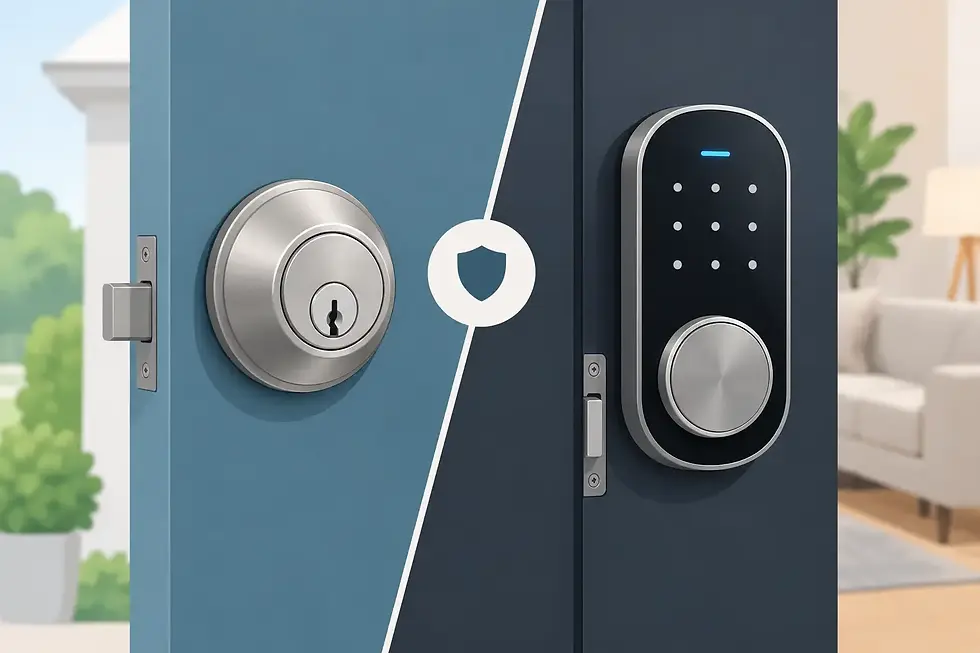
Electronic access systems can be useful for some businesses because codes, cards, or fobs can be removed without rekeying the physical lock. But they are not the right answer for every property. They require reliable installation, user management, and a plan for power or battery issues. Traditional keyed commercial locks remain a practical, dependable choice when they are properly maintained and keys are controlled.
Work With a Licensed Local Locksmith
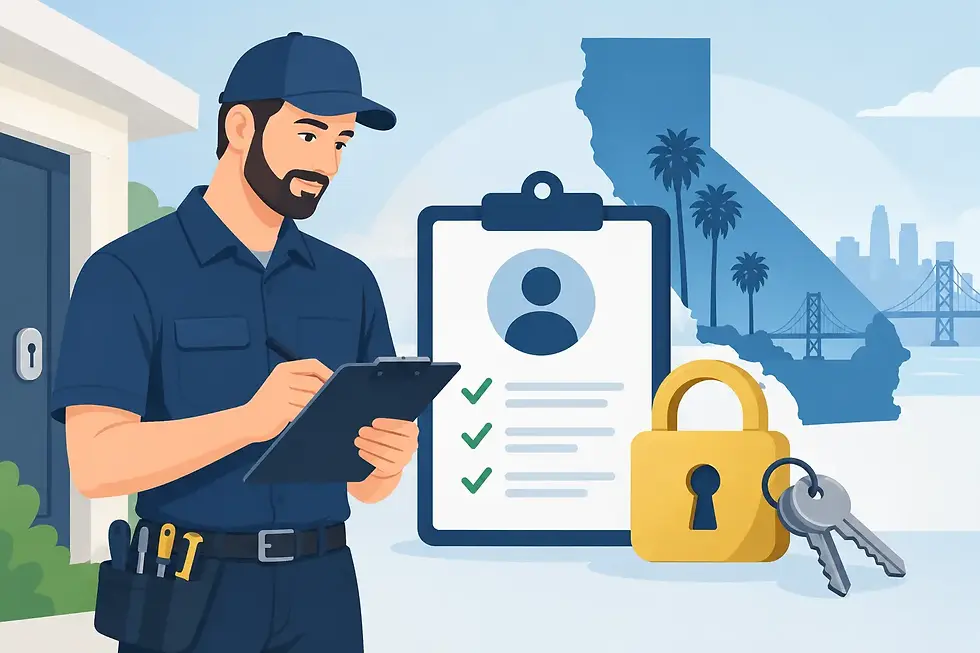
Commercial security decisions should be handled by a legitimate service provider, particularly when work involves exterior doors, master keying, or employee access. Before authorizing service, verify the locksmith's California Bureau of Security and Investigative Services license. Licensing is a basic consumer-protection step and helps you avoid operators who cannot clearly identify their qualifications or business practices.
Ask for a clear explanation of whether rekeying or replacement is recommended and why. You should understand what doors are being serviced, what hardware is being installed, how many keys are included, and whether all locks will work with the same key. Straight answers are part of professional service.
For Folsom-area businesses, OutLock Locksmith provides practical commercial rekeying, lock replacement, and door lock repair with a focus on professionalism, excellence, and timeliness. The work should leave you with a functioning door, controlled keys, and a clear understanding of who has access.
After the Work Is Complete
Test every new key before the locksmith leaves, including any keys for managers and restricted areas. Open and close each door from both sides where applicable. Make sure the latch engages without forcing the door and that old keys no longer work on rekeyed locks.
Update your key record immediately. Collect outdated keys from staff where possible, store spare keys in a controlled location, and avoid leaving labeled keys in an unsecured desk or vehicle. If a key ring identifies your business address or suite number, treat a lost ring as a higher-risk event.
A well-timed lock change is not about assuming the worst of people. It is about giving your business a clean, dependable starting point after change. When access is clear and your doors work properly, you can spend less time worrying about keys and more time running the business.

Comments