

When a Residential Lock Re-key Makes Sense

Learn when a residential lock rekey is the right choice, how it works, what it costs, and when repair or replacement may be better.
A house key goes missing, a tenant moves out, or you realize too many copies of your front door key are out there. That is usually when homeowners start asking about a residential lock rekey. In many cases, rekeying is the practical way to restore control over who can enter your home without replacing every lock on the door.
For homeowners in Folsom and nearby Sacramento-area communities, rekeying is often a better fit than full lock replacement, but not always. The right choice depends on the condition of the lock, the kind of hardware you have, and whether you want to keep the existing style and finish. A good locksmith should walk you through that honestly, not push a more expensive option just because it costs more.
## What a residential lock rekey actually does
Rekeying changes the internal pin configuration of a lock so the old key no longer works. The lock body usually stays in place. If the hardware is in good condition, a locksmith can adjust the cylinder to work with a new key and disable the previous one.
That matters because the security issue is often not the outside hardware. It is key control. If former occupants, contractors, dog walkers, house cleaners, or misplaced keys are part of the problem, rekeying addresses the issue directly. You keep the lock, but you change who has access.
This is different from replacing a lock. Replacement means removing the existing hardware and installing new hardware. Sometimes that is necessary, especially if the lock is damaged, outdated, poor quality, or no longer functioning smoothly. But if the lock itself is solid and the main concern is old keys still working, rekeying is usually the more efficient solution.
## When rekeying is the smart move
The most common reason to rekey a home is after a move. Even if the seller hands over every key they know about, there is no reliable way to confirm how many copies exist. Family members, neighbors, contractors, and prior service providers may still have one.
Rekeying also makes sense after a roommate moves out or after a breakup where shared access is no longer appropriate. The same applies to rental properties between tenants. Property managers often use rekeying as a standard turnover step because it is a straightforward way to reset access without changing every lock on the property.
Lost or stolen keys are another clear case. If you do not know where the key went or who may have found it, rekeying is often the safer call. Waiting and hoping it does not matter is usually not worth the risk.
There is also a convenience reason. In some homes, every exterior door has a different key. If the locks are compatible, a locksmith may be able to rekey them so one key works across multiple doors. That can make day-to-day access much simpler without changing the look of the hardware.
## When a residential lock rekey is not enough
Rekeying solves key access problems, but it does not repair worn hardware. If a deadbolt sticks, the latch does not align properly, the key is hard to turn, or the lock has visible damage, the issue may go beyond the key pins inside the cylinder.
In those cases, repair or replacement may be the better option. A lock that is failing mechanically can still be rekeyed, but that does not fix the wear causing the problem. You may end up paying for rekeying and then needing replacement shortly after.
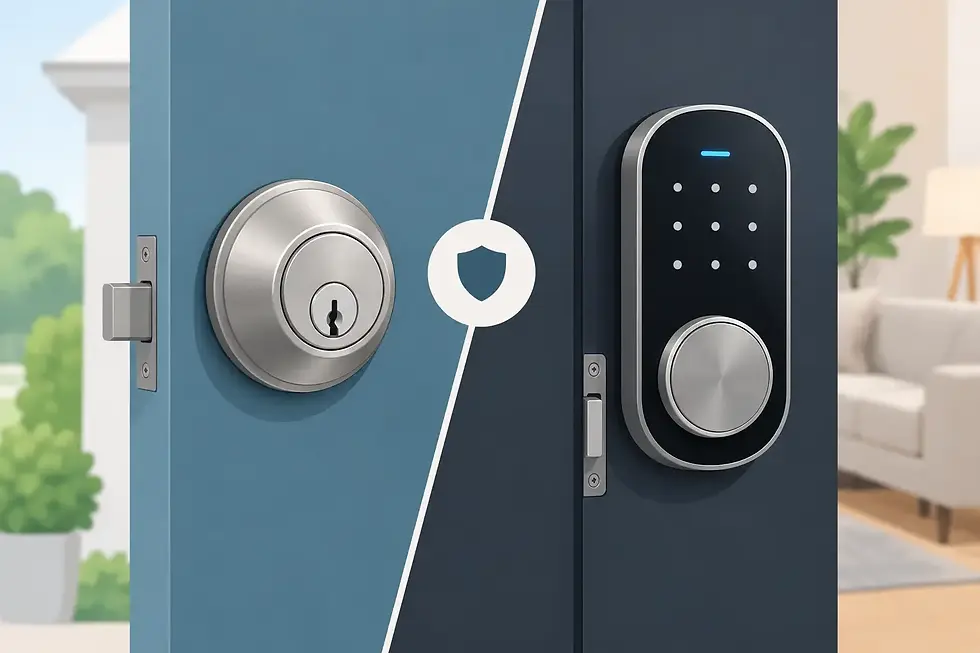
Compatibility matters too. Not every lock can be rekeyed, and not every set of locks can be keyed alike. Some low-cost hardware is not built for long-term serviceability. Some smart lock setups include traditional key cylinders that can be rekeyed, while others are more limited. That is why an on-site inspection matters. A dependable locksmith should tell you plainly what can be done, what cannot, and what makes the most sense for your specific doors.
## How the rekeying process usually works
For most standard residential hardware, the locksmith starts by examining the lock brand, condition, and cylinder type. The cylinder is removed, disassembled, and matched to a new key through a new pin combination. Once reassembled, the lock is tested for smooth operation.
If you want several doors on one key, the locksmith checks whether the cylinders are compatible enough to be keyed alike. If they are, the pins can often be adjusted to match a single working key. If they are not compatible, you may need selective replacement on some doors to get to one-key convenience.
A proper service call should also include testing the lock in the door, not just on the workbench. A lock can be correctly rekeyed and still perform poorly if the strike alignment, door fit, or latch condition is off. That is one reason homeowners often prefer professional service over trying to handle lock work themselves.
## Cost, value, and what affects pricing
Homeowners usually ask the same fair question first: is rekeying cheaper than replacing locks? Often, yes. Since the existing hardware stays in place, rekeying usually involves less material cost. But the final price still depends on how many locks need service, what type of locks they are, whether the cylinders are standard or restricted, and whether there are condition issues that need to be addressed during the visit.
A front door with one straightforward deadbolt is different from a house with multiple entry points, mismatched brands, worn cylinders, and side gates that need keyed access too. The value of rekeying is not just the lower hardware cost. It is also the ability to regain control quickly without unnecessary replacement.
That said, the cheapest option is not always the best value. If the existing hardware is loose, failing, or poor quality, replacing it once with dependable hardware may make more sense than continuing to service a lock that is near the end of its useful life.
## Why licensing matters when hiring a locksmith
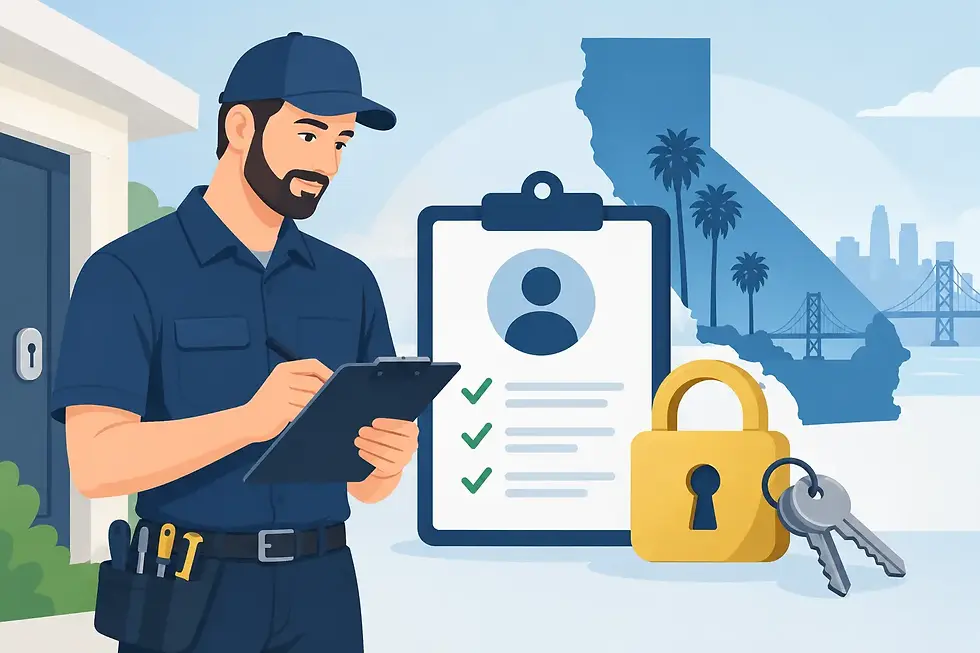
Residential security work is not a service where you want guesswork. In California, [locksmith licensing](https://www.outlockfolsom.com/post/do-locksmiths-have-to-be-licensed-in-california) exists for a reason. It helps customers verify that the company they are calling is operating legitimately.
That matters in real life, not just on paper. When someone is working on your home access points, you want a locksmith who can clearly identify themselves, explain the work, and perform it professionally. [Verified licensing](https://www.outlockfolsom.com/post/how-to-check-locksmith-license-in-california) is one of the most practical trust signals available to homeowners and property managers, especially in a field where unreliable operators still exist.
If you are comparing providers, ask direct questions. Are they licensed in California? Can they explain whether rekeying or replacement is actually needed? Are they giving you a clear scope of work instead of vague promises? A straightforward answer is usually a good sign.
## Rekeying for homeowners and property managers
Homeowners tend to think about rekeying after a move or lost key. Property managers usually think about turnover, maintenance coordination, and controlling who has copies over time. The service is the same, but the decision process can be different.
For a homeowner, peace of mind is often the main goal. For a property manager, consistency matters too. Rekeying at regular turnover points can reduce uncertainty and create a cleaner handoff between occupants. It can also help avoid situations where old keys are still floating around months later.
In both cases, the best results come from treating rekeying as part of a broader home security check. If a lock is loose, a strike plate is poorly aligned, or a door is not closing correctly, those issues should be addressed alongside the rekey whenever possible.
## A practical way to think about the decision
If your locks work well and your main concern is who still has a key, rekeying is usually the right starting point. If the lock is damaged, outdated, or unreliable, repair or replacement may be the smarter investment. Sometimes the answer is a mix, where one door is rekeyed and another gets new hardware.
That is why homeowners benefit from a locksmith who is direct about the trade-offs. OutLock Locksmith serves Folsom and the surrounding area with that approach in mind - practical recommendations, [professional service](https://www.outlockfolsom.com/services), and clear attention to verified licensing.
When the question is who can still get into your home, waiting rarely improves the situation. A careful inspection and the right service choice can put that concern to rest and help your doors work the way they should.

Comments