

Do Locksmiths Have To Be Licensed In California?

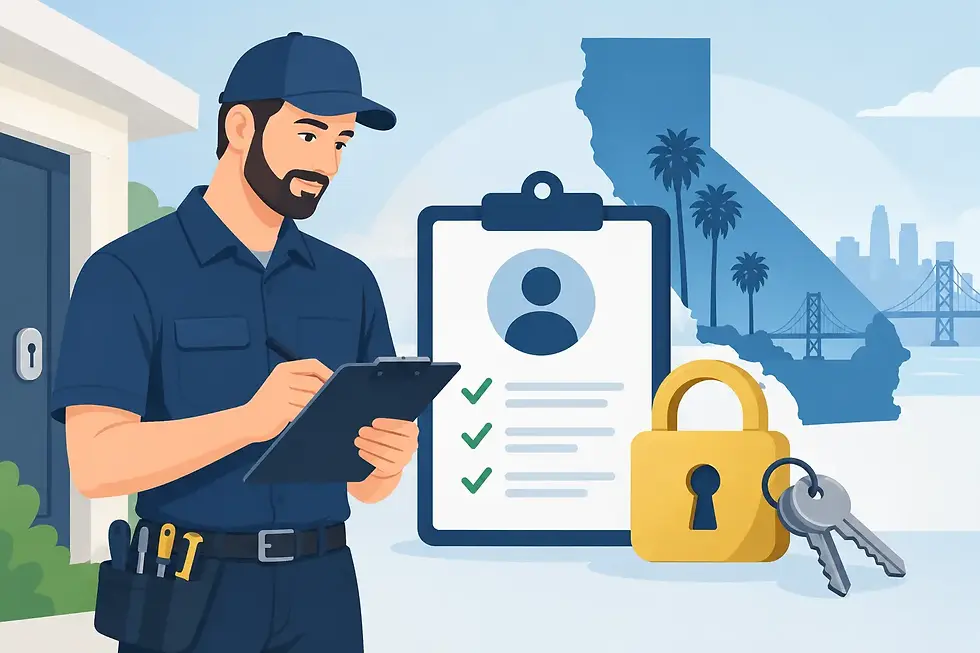
Do locksmiths have to be licensed? In California, many locksmiths do. Learn the rules, why licensing matters, and how to verify a pro. If someone is standing at your front door, your office, or your car offering to handle your locks and keys, one question matters fast: do locksmiths have to be licensed? In California, the answer is generally yes for locksmith companies and operators working as part of a licensed business. That matters for a simple reason - locksmith work gives someone direct access to your property, your vehicles, and your security. A lot of people only think about this after a lockout or break-in, when they need help quickly. But licensing is not a small technical detail. It is one of the clearest ways to separate a legitimate locksmith from an operator you may not want anywhere near your home, business, or car. ## Do locksmiths have to be licensed in California? In California, locksmiths are regulated through the Bureau of Security and Investigative Services, often called BSIS. Locksmith businesses are generally required to hold a state license, and individuals working under that business may also have registration or employee requirements depending on their role and how the company is structured. For customers, the practical takeaway is straightforward: if you are hiring a locksmith in California, you should expect that company to be properly licensed and able to show that licensing information. A professional locksmith should not be vague about it, avoid the question, or act like it does not matter. This is especially relevant in local service situations where the person arrives in a vehicle, quotes on site, and asks for immediate payment. If a locksmith cannot clearly identify the business they work for and the license behind that business, that is a reason to slow down. ## Why licensing matters more in locksmith work Not every home service carries the same level of access. A locksmith is not just fixing hardware. They may be rekeying your house after a move, repairing a failed storefront lock, making a working car key, or opening a door that protects your family, tenants, inventory, or equipment. That is why licensing matters beyond simple legal compliance. It helps create accountability. It gives customers a way to verify that the company is operating under state oversight. It also signals that the business is taking professionalism seriously rather than treating lock and key work like an untracked side job. Licensing does not guarantee perfect service. A licensed locksmith can still be late, overpriced, or inexperienced in a specific type of work. But when a company is unlicensed, the risk tends to rise in several directions at once. You may be dealing with unclear pricing, no real business identity, poor workmanship, or someone who should not be trusted with access to your property in the first place. ## What a licensed locksmith helps you avoid Most customers are not trying to become experts in state regulations. They just want to know they are hiring someone real. That is where licensing becomes useful. A licensed locksmith gives you a better starting point for trust. You can verify the business, compare the name on the license with the company name being advertised, and feel more confident that the person performing the work is part of a legitimate operation. That matters because the locksmith industry can attract bad actors. Some use bait pricing, quoting an unrealistically low service call and then dramatically increasing the total once they arrive. Others operate under changing business names or provide little proof of who they are. In those cases, the problem is not just cost. It is security. If someone rekeys your home, cuts a car key, or gains entry to your business, you should know exactly who performed that work. ## How to verify a locksmith before service starts If you are wondering whether do locksmiths have to be licensed is the right question, it is - but the next step is verification. A legitimate company should be able to provide its license information clearly. In California, customers can check that information through the state agency that regulates locksmiths. Before work begins, ask for the full business name and license number. Make sure the name matches the company that answered the phone, the invoice, and the vehicle if one is marked. If the person onsite gives you a different company name from the one you found online, that is worth questioning. It also helps to pay attention to how the company communicates. A trustworthy locksmith usually explains the work in plain language, discusses pricing before starting when possible, and does not pressure you to approve vague extra charges. Professionalism shows up in the details. ## When customers usually ask this question People rarely research locksmith licensing on a calm Saturday afternoon. Usually, the question comes up in one of four situations: a home lockout, a move into a new property, a commercial rekey after staff turnover, or a car key problem that needs same-day help. In each case, the customer is balancing urgency with trust. That is where mistakes happen. When you are locked out, late for work, or trying to secure a vacant rental, it is easy to choose the first company that promises a fast arrival. Speed matters, but legitimacy matters too. A licensed locksmith should be able to offer both. You should not have to pick between fast service and basic professionalism. ## Residential, commercial, and auto work are not all the same One reason licensing should not be treated casually is that locksmith work covers several different service types. Rekeying a front door, repairing commercial lock hardware, and programming a replacement car remote all require different tools and experience. A licensed company may still specialize more heavily in certain areas, so it is fair to ask whether they handle your exact issue every day. That is not a challenge to their legitimacy. It is just smart hiring. For example, a homeowner may need lock rekeying after buying a house. A property manager may need multiple units rekeyed between tenants. A small business may need a damaged lever lock replaced without disrupting operations. A driver may need a replacement key for a domestic or Asian vehicle. These are all common jobs, but they are not interchangeable. The best locksmiths are transparent about what they do, what they do not do, and what the job will involve. ## Red flags that should make you pause A missing or unclear license is not the only warning sign. It is often part of a larger pattern. Be careful if the company refuses to identify the business name, cannot provide licensing details, gives a price that changes dramatically without explanation, or arrives with no clear documentation. The same goes for anyone who starts drilling immediately without explaining whether less destructive options are available first. Not every difficult job is a scam. Sometimes locks fail badly, keys break, or automotive systems require extra steps. But a professional should be able to explain why the work costs what it costs and why a certain method is necessary. Straight answers matter in locksmith service because the customer usually cannot evaluate the work until it is already underway. ## What to expect from a professional locksmith A professional locksmith should make you feel more secure, not less. That starts with clear identification and extends through the entire service call. You should expect respectful communication, reasonable transparency about pricing, and a practical explanation of your options. If you are rekeying locks, they should explain whether existing hardware can stay in place. If a lock is damaged, they should tell you whether repair makes sense or whether replacement is the better value. If you need a car key, they should be honest about whether your vehicle type can be handled on site. That kind of direct communication is usually what separates dependable local service from questionable operators. For customers in Folsom and the surrounding Sacramento area, this is exactly why verified licensing matters. [OutLock Locksmith](https://www.outlockfolsom.com/about) emphasizes compliance through California BSIS because customers deserve proof that the company entering their home, business, or vehicle is operating legitimately. ## The real answer customers need So, do locksmiths have to be licensed? In California, a legitimate locksmith business generally does, and customers should treat that as a basic requirement rather than a bonus feature. The better question may be this: if a locksmith cannot show clear proof of legitimacy, why trust them with your security at all? When you need help with a lock, key, or rekey, a few extra minutes spent verifying licensing can save you from bigger problems later. Good [locksmith service](https://www.outlockfolsom.com/services) should feel straightforward from the first call - professional, timely, and easy to verify.

Comments